Natural Remedies for Insomnia

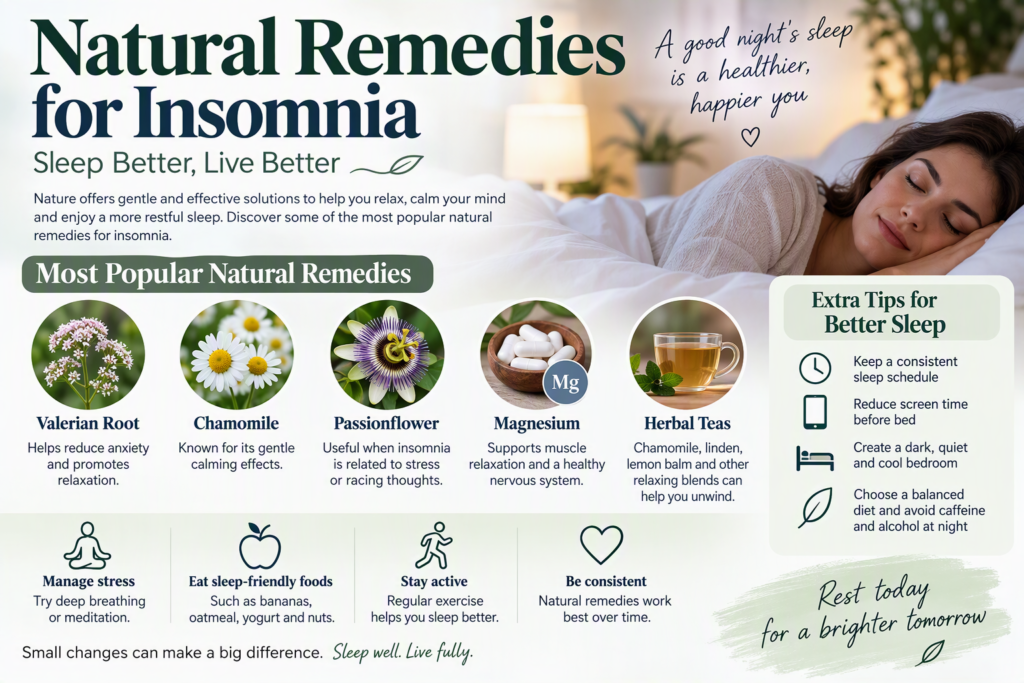
A Complete Guide to Sleeping Better
Poor sleep does more than leave you feeling tired the next day. When insomnia becomes a recurring problem, it can affect your mood, concentration, and overall sense of well-being. Many people look for quick solutions, but not everyone wants to turn to medication right away. For this reason, natural remedies for insomnia have become an increasingly popular alternative.
In this comprehensive guide, you'll discover which natural options may help you sleep better, how to use them correctly, and which lifestyle habits can enhance their effectiveness, all from a responsible and realistic perspective.
What Is Insomnia and Why Does It Happen?
Insomnia can appear as difficulty falling asleep, waking up several times during the night, or waking up too early and being unable to fall back asleep. It may be occasional or long-lasting.
Some of the most common causes include:
- Stress and anxiety
- Racing thoughts before bedtime
- Excessive screen use at night
- Poor sleep habits
- Caffeine or alcohol consumption
- Changes in routine or schedule
Identifying the underlying cause is essential because natural remedies tend to work best when they are aligned with the source of the problem.
Do Natural Remedies for Insomnia Really Work?
Natural remedies do not work like immediate sedatives. Their effectiveness is usually linked to:
- Consistency
- Combining them with healthy habits
- Gradually reducing stress levels
For mild to moderate insomnia, natural remedies may be enough to improve sleep quality. For more persistent cases, they are often used as part of a broader approach to sleep management.
Most Common Medicinal Plants and Natural Supplements
Valerian Root
Valerian root is one of the most widely known natural remedies for promoting relaxation and improving sleep. It is commonly taken as a tea or dietary supplement, especially for insomnia related to nervousness or stress.
Chamomile
Chamomile is appreciated for its gentle calming effects. It is particularly suitable for people who struggle to mentally unwind before bedtime.
Passionflower
Passionflower is often used when insomnia is associated with mild anxiety or repetitive thoughts that interfere with sleep.
Magnesium
Magnesium supports muscle relaxation and helps maintain a healthy nervous system. It may be especially beneficial for people who experience physical tension or frequent nighttime awakenings.
Herbal Teas for Better Sleep
Herbal teas offer several benefits, including relaxation, hydration, and soothing effects.
Some of the most popular options include:
- Chamomile tea
- Linden flower tea
- Lemon balm tea
- Blends of relaxing herbs
Drinking herbal tea 30 to 60 minutes before bedtime can help prepare your body for restful sleep.
Healthy Habits That Enhance Natural Sleep Remedies
Natural remedies work best when paired with proper sleep hygiene.
Maintain a Consistent Sleep Schedule
Going to bed and waking up at the same time every day helps regulate your body's internal clock.
Reduce Screen Time Before Bed
The blue light emitted by smartphones, tablets, and computers can interfere with the body's natural melatonin production.
Create the Right Sleep Environment
A dark, quiet, and comfortably cool bedroom can significantly improve sleep quality.
Nutrition and Sleep: A Direct Connection
What you eat throughout the day, especially in the evening, can influence the quality of your sleep.
Foods That May Promote Better Sleep
- Bananas
- Oatmeal
- Plain yogurt
- Nuts
Foods That May Worsen Insomnia
- Caffeinated beverages
- Excess sugar
- Alcohol before bedtime
How Long Do Natural Remedies Take to Work?
Unlike sleep medications, natural remedies often require several days or even weeks of consistent use before noticeable results occur.
The timeline depends on factors such as:
- The remedy being used
- The underlying cause of insomnia
- Consistency of use
Other Natural Ways to Sleep Better
In addition to herbs and teas, several natural techniques can help improve sleep:
- Deep breathing exercises
- Guided meditation
- Relaxation techniques
- Gentle evening yoga
These practices can help reduce mental and physical tension, making it easier to fall asleep naturally.
Frequently Asked Questions About Natural Remedies for Insomnia
Can I Combine Different Natural Remedies?
Yes, provided they are used responsibly and in moderation. It is generally best to start with one remedy and evaluate its effects before adding others.
Do Natural Remedies Cause Dependence?
In general, natural remedies are not considered habit-forming. However, they should still be used thoughtfully and responsibly.
Are They Safe for Everyone?
Not always. Pregnant women, older adults, and people with medical conditions should consult a healthcare professional before using certain remedies.
What Should I Do If My Insomnia Doesn't Improve?
If insomnia continues for several weeks, it is advisable to seek guidance from a healthcare professional.
When Should You Seek Professional Help?
Natural remedies can be an excellent first step, but they should not replace professional medical care when:
- Insomnia becomes chronic
- It severely affects daily life
- It is accompanied by significant anxiety or depression
Seeking professional support can help identify underlying causes and ensure appropriate treatment.
Final Thoughts
Natural remedies for insomnia can be a valuable tool for improving sleep quality when combined with healthy habits and realistic expectations. While they may not provide instant results, consistent use and attention to lifestyle factors often lead to meaningful improvements over time.